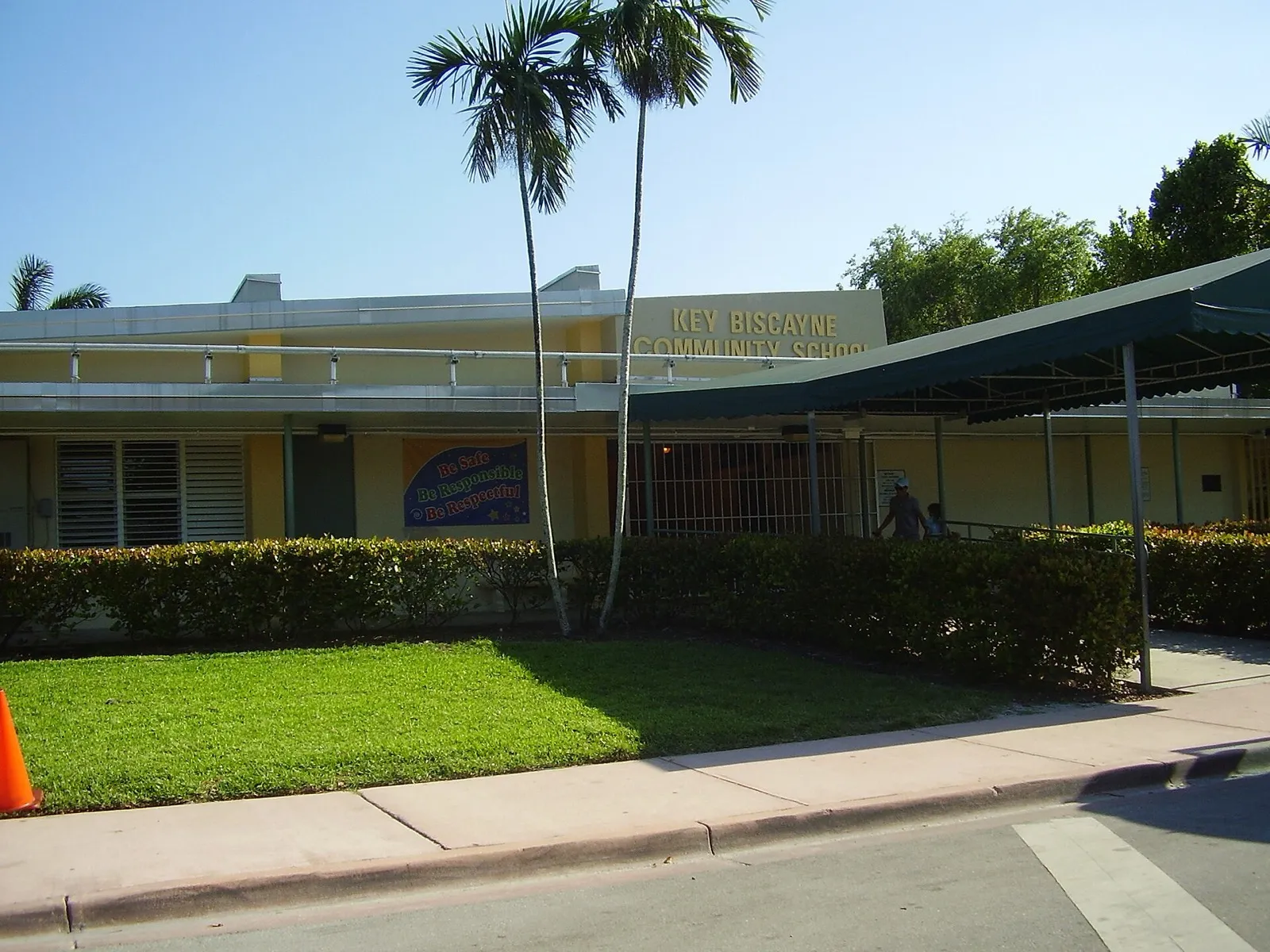
Key Biscayne is the only island community in Miami-Dade County: one bridge in, a finite stock of houses — and that, not marketing, is what supports the price.
Why a house in Key Biscayne is different
The island has a fixed number of house lots and its own municipal government (the Village of Key Biscayne) that caps density. No new streets or blocks get built. That structural scarcity — together with the schools, the safety and the water access — is why island houses hold value even when the broader market cools. What separates a good purchase from a mediocre one is still the lot, the flood elevation and the condition of the house.
Want to see every house available right now?
View inventory →What to check before you make an offer
On an island, water defines both the risk and the value. Review the FEMA flood elevation and the cost of flood and windstorm insurance, the condition of the seawall, and dock access if the house sits on the canal or the bay, along with the lot and orientation. The asking price matters less than comparing the asset against real, recent sales within the same ZIP code (33149).
Financing: the non-resident buyer does qualify
You don't need residency or citizenship to buy a house in Key Biscayne. You can pay cash or use a foreign national loan — typically 30%–40% down, a slightly higher rate, and documentation your bank or accountant can prepare. At the island's higher tickets, many buyers pay cash and evaluate refinancing later.
Structure: in your name or through an entity
Owning personally exposes a non-resident to the U.S. estate tax (only a US$60,000 exemption), which is why many foreign buyers purchase through a structure such as a Florida LLC. It is not always worth the cost: it depends on the amount, the use and your estate. Decide it with your accountant before you make an offer.